Join the CHAMPS!—Understanding How Teachers Craft Great Starters for Impactful Lessons
Empowering students with engaging starters for impactful learning
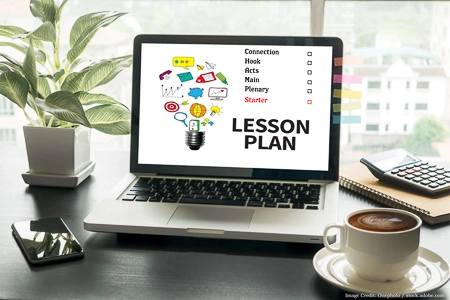
Joining the CHAMPS means understanding one of the most effective teaching strategies teachers use for planning effective lessons. The CHAMPS acronym stands for "Connection, Hook, Acts, Main, Plenary, Starter". This method helps create engaging learning experiences, driving student success and fostering an interactive learning environment.
You may already be familiar with how teachers connect and hook concepts, as well as how lessons are structured into Acts and the Main. This piece focuses on Starters—how lessons begin and how teachers capture students' attention right from the outset.
Why Are Starters Important?
Starters are designed to capture students' interest at the beginning of a lesson. They act as the launch pad, setting the tone for everything that follows.
Teachers aim to keep starters:
- concise
- simple
- stimulating
The goal is to engage students quickly without overwhelming them. For parents, this helps explain why the first few minutes of a lesson can feel fast-paced, varied, or even playful—they are intentionally designed to spark interest and focus.
How Teachers Keep Starters Engaging
Teachers often use a wide variety of approaches to ensure lessons start effectively. These approaches are designed to activate thinking, assess prior knowledge, and create immediate engagement.
You may notice your child describing very different types of lesson openings depending on the subject, class, or teacher. Below are common strategies teachers use.
Active and Movement-Based Starters
Some starters involve physical movement to help students become alert and ready to learn. For example:
- standing activities linked to opinions or responses
- quick movement tasks after long periods of sitting
These are especially useful when students need to re-engage after a period of inactivity.
Baseline and Knowledge Recall
Teachers often begin by asking students to recall what they already know about a topic. This helps:
- assess prior knowledge
- identify confident students
- set a starting point for the lesson
Students may be asked to list ideas, share knowledge, or even take on a temporary "expert" role.
Creative and Imaginative Starters
Some starters encourage creativity and deeper thinking. These might include:
- drawing ideas related to the lesson
- imagining exaggerated scenarios (e.g. a world without a concept)
- creating or designing something linked to the topic
These approaches help students explore meaning and relevance in a more engaging way.
Questioning and Problem-Solving
Teachers often use questions to stimulate thinking right from the start. This might involve:
- multiple-choice questions with justification
- puzzles or problem-solving tasks
- asking students to create their own questions
These strategies encourage active thinking rather than passive listening.
Language and Word-Based Activities
Many starters focus on language development and vocabulary. For example:
- finding the longest or shortest relevant word
- defining key terms
- identifying important words in a passage
These activities help build subject knowledge while engaging students early.
Personal and Real-World Connections
Teachers often aim to make learning feel relevant by linking it to students' lives. This might include:
- asking how a topic relates to them personally
- exploring careers or opportunities connected to the lesson
- linking ideas to everyday experiences
You may notice your child talking about how a lesson connects to real life or future possibilities.
Games, Voting, and Interaction
Interactive starters are commonly used to build energy and participation. These might include:
- quick games or competitions
- voting activities
- light humour, such as jokes related to the topic
These approaches help create a positive classroom atmosphere and encourage participation from the outset.
Reflection and Quiet Thinking
Not all starters are high-energy. Some are designed to create a calm and focused beginning. These may include:
- simple true or false questions
- quiet reading or underlining key ideas
- reflective prompts
This variety helps teachers adapt to different classes and learning environments.
What This Means for Parents
Understanding starters gives insight into how lessons are designed to begin effectively. It helps explain:
- why lessons often start quickly and vary in style
- why children may recall the opening activity clearly
- how teachers prepare students mentally and emotionally for learning
By recognising these strategies, parents can better understand how engagement is built from the very first moments of a lesson and how this supports the rest of the learning experience.
Frequently Asked Questions
Why do lessons often begin with a quick activity rather than going straight into the content?
The article explains that starters are deliberately designed to capture attention, activate prior knowledge, and settle students quickly. They act as a launch pad — helping students transition into learning mode before the main part of the lesson begins.
Why does my child describe very different types of lesson openings?
Teachers use a wide variety of starter strategies — from movement activities to vocabulary games to quiet reflection — depending on the subject, the class, and what kind of engagement is needed. This variety is intentional and reflects how different students and contexts respond to different approaches.
What is the difference between a starter and a hook?
In the CHAMPS framework, the Hook is a sensory or curiosity-building element used to introduce the lesson's theme, while the Starter is a short activity designed to engage students and activate thinking at the very beginning. They often work together but serve slightly different purposes in the overall lesson design.