Join the CHAMPS!—Understanding How Teachers Use Plenaries to Make Learning Stick
Parting (or Party!) strategies for making lessons stick
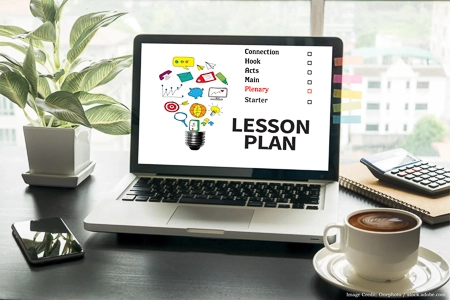
Joining the CHAMPS means understanding one of the most effective teaching strategies teachers use for planning effective lessons. The CHAMPS acronym stands for "Connection, Hook, Acts, Main, Plenary, Starter". This method helps create engaging learning experiences, driving student success and fostering an interactive learning environment.
You may already be familiar with how teachers connect, hook, and structure lessons into different acts, including the Main and Starter. This piece focuses on Plenaries—how teachers bring lessons to a close and help students consolidate what they have learned.
Why Are Plenaries Important?
A plenary is the summary and conclusion of a lesson. It helps both students and teachers identify progress and link back to the key learning outcomes, themes, or skills.
Teachers often aim to make the plenary different in style from earlier parts of the lesson so it feels distinct and engaging. This is why the end of a lesson may feel more interactive, reflective, or even game-like.
For parents, this helps explain why children may recall how a lesson ended just as clearly as how it began.
Encouraging Students to Talk
Verbal communication is an essential skill that schools actively develop. Teachers often use plenaries to give students opportunities to express what they have learned.
This may involve:
- sharing one new thing they learned
- building on each other's responses
- speaking briefly about a topic
Activities might include:
- "I also learned…" to encourage unique contributions
- quick speaking challenges like "Just a minute"
- guessing games such as "celebrity heads"
These approaches help students practise articulating their understanding in a structured way.
At home, this might show up as your child being able to explain ideas aloud or recount parts of the lesson in their own words.
Encouraging Students to Write
Written communication is also a key focus. Teachers often ask students to summarise or reflect on their learning in writing.
This might include:
- writing a sentence or short paragraph about the lesson
- completing structured reflection prompts
- answering exam-style questions
A common example is the use of exit tickets, where students respond to prompts such as:
- "The most important thing I learned was…"
- "A question I still have is…"
These responses can also help teachers understand how well the lesson was received.
Parents may notice this through short written reflections or tasks that focus on summarising learning.
Using Symbols and Visual Cues
Sometimes teachers use simple visual methods to quickly gauge understanding. These can include:
- traffic light systems (red, amber, green) to show confidence levels
- thumbs up or down
- emojis or simple symbols
These approaches allow all students to participate, including those who may be less comfortable speaking or writing in front of others.
They also give teachers immediate feedback on how well concepts have been understood.
Using Images and Visual Matching
Images can be used in plenaries to reinforce learning. For example:
- matching images to concepts
- sequencing events
- responding to visual prompts
These activities are particularly effective in subjects where visual understanding is important.
Children may recall using pictures or diagrams at the end of lessons to confirm what they have learned.
Using Games to Reinforce Learning
Games are a popular way to conclude lessons. Teachers may use simple or structured games to revisit key ideas in an engaging way.
Examples include:
- word-based games where students recall key terms
- ball games where catching prompts a response
- team challenges or quick quizzes
These activities help anchor learning while keeping students motivated and involved.
Parents may notice that children often describe these parts of lessons with enthusiasm, as they combine learning with a sense of fun.
What This Means for Parents
Understanding plenaries provides insight into how lessons are brought to a close and how learning is reinforced. It helps explain:
- why children are often asked to summarise or reflect
- why lessons may end with discussion, writing, or games
- how teachers check understanding before moving on
By recognising these strategies, parents can better understand how schools ensure learning "sticks" and support conversations at home about what has been learned and how well it has been understood.
Frequently Asked Questions
What is a plenary and why does it matter?
A plenary is the concluding part of a lesson. Teachers use it to help students consolidate what they have learned, link back to the lesson's key outcomes, and check understanding. It is often designed to feel different from the rest of the lesson — more interactive, reflective, or game-like — which is why children can often recall how a lesson ended quite clearly.
What is an exit ticket?
An exit ticket is a short written task at the end of a lesson where students respond to a prompt such as "the most important thing I learned was…" or "a question I still have is…". It gives both the student and the teacher a quick read on how well the lesson landed. Parents may see these come home as brief notes or slips of paper.
Why does my child describe lessons ending with games?
Games used at the end of lessons are a deliberate teaching strategy, not an afterthought. They help reinforce key terms and ideas in a low-pressure way that keeps students engaged. The article notes that children often recall these moments with particular enthusiasm — which is exactly what makes them effective.