Join the CHAMPS!—Understanding How Teachers Shape the Main Part of a Lesson
Leveraging effective teaching strategies for impactful lessons
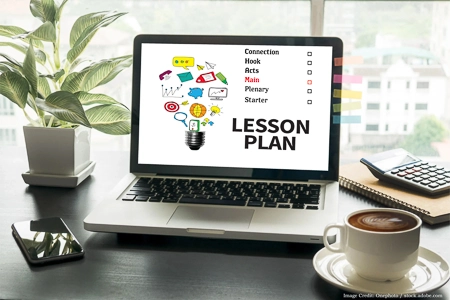
Joining the CHAMPS means understanding one of the most effective teaching strategies teachers use for planning effective lessons. The CHAMPS acronym stands for "Connection, Hook, Acts, Main, Plenary, Starter". This method helps create engaging learning experiences, driving student success and fostering an interactive learning environment.
You may already be familiar with how teachers connect and hook concepts, as well as how lessons are structured into Acts, Starter and Plenary. This piece focuses on the Main part of lessons—where most of the learning takes place and where your child spends the majority of their lesson time.
Why the Main Part of the Lesson Matters
Teachers typically invest the majority of their time and energy into planning the core of the lesson. This is because the main segment focuses directly on the intended outcome—the "why" behind what is being taught.
Two key principles often guide this part of teaching:
- minimising teacher talk
- maximising questioning, including allowing time for students to think and extend their answers
For parents, this helps explain why your child may describe lessons where they are doing most of the talking, thinking, or problem-solving rather than simply listening.
A Focus on Outcomes and Adaptability
The main part of a lesson is designed to maximise learning outcomes. Teachers plan tasks that can be adapted for different students, ensuring that:
- some receive support to consolidate understanding
- others are challenged with extension opportunities
This is why students in the same class may be working on similar tasks but at slightly different levels.
Using Worksheets and Textbooks Effectively
Worksheets and textbooks are often used, but teachers do not simply rely on them as they are. Instead, they frequently adapt and customise materials to better suit their class.
This might include:
- modifying questions
- tailoring examples
- linking content to the specific group of students
Sometimes teachers create their own resources or adjust existing ones to make them more relevant and engaging.
At home, this may appear as worksheets that feel personalised or tasks that reflect familiar contexts.
Supporting Understanding Through Structured Activities
Teachers often use structured approaches such as Directed Activities Related to Text (DARTs) to support comprehension.
These can include:
- gap-fill tasks with varying levels of support
- sequencing activities where students reorder information
- creating and answering questions based on a text
These strategies help students actively engage with content rather than passively reading it. Parents may notice this in homework tasks that involve filling gaps, reordering ideas, or generating their own questions.
Encouraging Hands-On Learning
Many lessons include opportunities for students to make or create something, either in two-dimensional or three-dimensional form.
For example:
- building models
- creating diagrams
- designing group projects
These activities help students engage with content in a more tangible way and often make learning more memorable.
Children may talk about constructing something in class or working collaboratively on a shared task.
Getting Students Moving
Teachers sometimes incorporate movement into lessons to increase engagement. This can include:
- group challenges or relay-style tasks
- moving between different activity stations
- outdoor or space-based activities
These approaches can make lessons more dynamic and help maintain focus, particularly for students who benefit from active learning.
Parents may notice that their child describes lessons where they were moving around rather than staying seated throughout.
Role Play and Performance
Acting and role play are also used to bring concepts to life. Students may:
- reenact historical events
- model scientific concepts
- take on roles within a scenario
Teachers often ensure that all students are included, sometimes assigning different roles such as director, writer, or evaluator.
These activities can help students understand complex ideas in a more engaging and memorable way.
Using Debate to Deepen Understanding
Debates are another strategy used during the main part of a lesson. They may be introduced:
- at the end of a topic
- during learning to explore different perspectives
Students are often given roles and encouraged to argue from specific viewpoints, helping them develop critical thinking and communication skills.
At home, this might show up as your child expressing strong opinions or discussing different sides of an issue they explored in class.
What This Means for Parents
Understanding the main part of a lesson provides valuable insight into how learning is structured and delivered. It helps explain:
- why your child is actively involved rather than passively listening
- why tasks may vary in style and difficulty
- why lessons sometimes include creative, physical, or discussion-based activities
By recognising these approaches, parents can better understand the variety and intention behind classroom experiences and engage more confidently in conversations about their child's learning.
Frequently Asked Questions
Why does my child say they "didn't really do anything" in a lesson?
The article notes that the main part of a lesson deliberately minimises teacher talk and maximises student thinking, discussion, and problem-solving. If a lesson felt active and conversational rather than note-based, your child may not register it as "work" — but it likely was. Asking specifically what they were asked to do or produce tends to reveal more.
What are DARTs and why are they used?
DARTs stands for Directed Activities Related to Text. They are structured tasks — such as gap-fills, sequencing exercises, or question-generating activities — designed to make students actively engage with written content rather than simply read it. Parents may recognise them as homework tasks that ask children to do something with a passage rather than just read it.
Why does my child's class sometimes involve movement or role play?
The article explains that movement and performance are deliberate teaching strategies, not time fillers. They help students engage more deeply with content, particularly abstract concepts, and support different learning styles. When your child describes an active or dramatic lesson, it is usually a sign of intentional planning.