Join the CHAMPS!—Understanding How Teachers Structure Lessons Through "Acts"
Mastering the art of instructional choreography
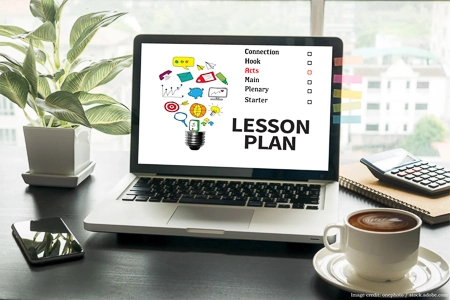
Joining the CHAMPS means understanding one of the most effective teaching strategies teachers use for planning effective lessons. The CHAMPS acronym stands for "Connection, Hook, Acts, Main, Plenary, Starter". This method helps create engaging learning experiences, driving student success and fostering an interactive learning environment.
You may already be familiar with how teachers connect and hook concepts, as well as how lessons are structured through the Main, Plenary and Starter. This piece focuses on the Act part of lesson planning—how lessons are broken into segments and how this shapes your child's learning experience.
Why Lesson Structure Matters
Lesson planning is an integral component of effective teaching, and teachers often break lessons down into key segments, referred to here as acts. Each act is carefully planned with different participants in mind—students, teachers, and sometimes teaching assistants or support staff.
For parents, this helps explain why lessons often feel structured, with a clear beginning, middle, and end. This structure is designed to maintain engagement and ensure progress throughout the lesson.
Three Acts and the "Actors"
A typical lesson structure often comprises three acts:
- the starter
- the main
- the plenary
Not all lessons follow this pattern exactly. For example, practical lessons, revision sessions, or extended lessons may adapt this structure. However, most lessons still follow a similar flow.
Teachers plan these acts with a strong focus on students, ensuring that each stage supports engagement and learning. You may notice your child describing lessons in parts—what they started with, what they worked on, and how they wrapped up.
Act 1: Starter
The way a lesson begins really matters. Teachers plan starters carefully, thinking about how students will engage right from the start.
Starters are usually short and concise, often lasting no more than 10 minutes. They act as a launch pad for the lesson, helping students settle quickly and focus on learning.
Teachers may adapt starters depending on the class. Some groups respond well to simple written tasks, while others may need more interactive or engaging activities, such as puzzles or problem-solving exercises.
At home, this might appear as your child mentioning a quick task, question, or activity that helped them "get into" the lesson.
Act 2: Main
The main part of the lesson usually takes up the largest portion of time. This is where the core learning happens.
Teachers often ensure there is a smooth transition between the starter and the main activity. Within this section, they plan tasks that can be adapted to suit different students. This might include:
- support for those who need consolidation
- extension opportunities for those ready to go further
This is why children in the same class may sometimes be doing slightly different versions of the same task.
Parents may notice this through homework or discussions where tasks vary in complexity or depth.
Act 3: Plenary
The plenary focuses on reflecting on learning and recognising progress. Teachers use this part of the lesson to help students capture key ideas, themes, or skills.
Students are often asked to:
- summarise what they have learned
- reflect on their understanding
- demonstrate how their thinking has developed
This helps reinforce learning and gives a clear sense of progress by the end of the lesson.
At home, this may come through when your child can explain what they learned or describe how their understanding has improved.
Bringing It All Together
Lesson planning can be compared to choreographing a performance, where each act—the starter, main, and plenary—needs careful planning and coordination.
The "actors"—students, teachers, and support staff—all play important roles, but the focus remains firmly on students and their learning experience.
Understanding this structure helps explain:
- why lessons follow a clear sequence
- how engagement is built from start to finish
- how progress is checked and reinforced
For parents, this insight can make it easier to follow your child's learning journey and have more meaningful conversations about what happens in the classroom.
Frequently Asked Questions
What are the three acts in a CHAMPS lesson?
The three acts are the Starter, the Main, and the Plenary. The starter launches the lesson and helps students settle, the main is where core learning takes place, and the plenary gives students a chance to reflect and consolidate what they have learned.
Why might my child be doing a different version of a task than their classmates?
The article explains that during the main act, teachers deliberately plan tasks at different levels — some providing consolidation for those who need it, others offering extension for those ready to go further. This is intentional differentiation, not a sign that something is wrong.
How does knowing about lesson structure help me at home?
Asking your child about specific parts of the lesson — what they started with, what the main task involved, and how they finished — mirrors the structure teachers use. These prompts tend to unlock more specific and useful responses than a general question about what they learned.