Build a Study Habit That Runs Itself
Making the most of a fresh new year
This article is about making the most of a fresh start.
Let’s face it, school can feel like one long movie on repeat but once you embrace the principle of renewal, you will reap the benefits!
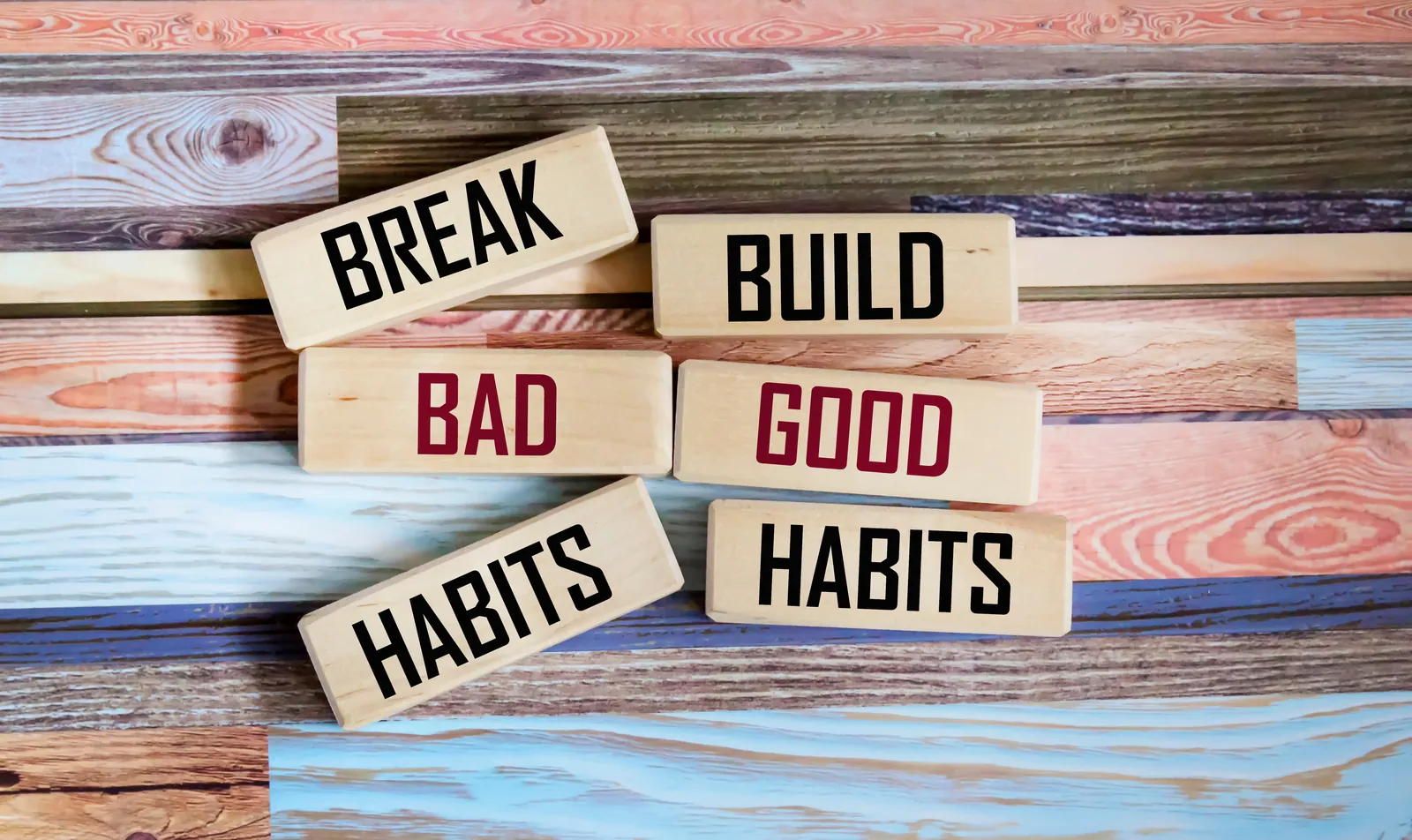
This article is about habits.
Why are habits important?
We may treat habits lightly, but you should know: your habits represent what you want in life, what your values are and what you are most consistent in and possibly, what you spend the majority of your time doing.
Habits are often our default, what we call ‘auto-pilot’. Used well, they make for ground-breaking progress and positive repeated behaviors and experience.
Used poorly, you can get stuck in a rut of repeated failure and self-sabotage.
This article is specifically about study habits but the same principles will apply to other habits.
How do I start building good study habits?
You must firstly audit your current study habits. When you have done that, see if there is a mismatch between your study habits and your study goals.
For example, if your goal is to stay on top of your homework, do your study habits reflect that with regular and sufficient slots for homework?
All study habits must have the following filters:
- Goals
- Triggers
- Actions
- Review and Reward
Goals
The goal you set here must be achievable but may be generic as it must directly link to building a study habit.
For example, your goal may be to build up a specific pattern of study e.g. number of hours of study during the weekday. You should hold yourself to account for this goal.

Triggers
Once you have a goal, work out the stimulus that will get you started on your goal. Is it preparing your post-school snack? Will it be after a workout?
Is it emptying your bag of books used that day?
Is it opening your school homework planner or journal?
Develop these triggers as soon as possible; you will find yourself naturally inclining to study once the trigger has been effected.
If the trigger is linked to a positive, it is even better.
Could completion of homework (your goal) be linked to preparing that healthy snack (your trigger) that you enjoy as you work help you along?
Actions
These are the actual tasks that you will complete. This assumes you have a plan or can make one (see the earlier article in the series if needed).
The easier or more enjoyable the actions, the more likely you will complete them. Start with the ‘less enjoyable’ action so you can look forward to your favored one.
At some point, studying will require reading, highlighting, and writing; put the one you prefer last!
Review and/or reward
This is the ultimate completion of a habit. If it goes well, you should reward yourself. If not, then review and aim to make the next session even better.
Just as good memories persist in our subconscious, so will habits associated with rewards.
Start small and then build up so that you end up with some rewards to stimulate the continuation of the loop of habit formation.
Questions
- What are your study habits?
- Which of your study habits are you happy with?
- Which of your study habits concern you?
- Do you know how to make the most of your habits?
- Which new habits do you want to develop, and can you prioritise them?