Join the CHAMPS!—Understanding How Teachers Hook Concepts in Lessons
Hooking concepts for student engagement in lessons
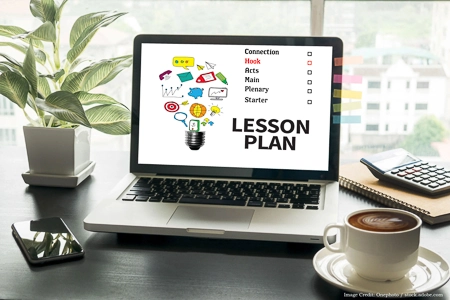
Joining the CHAMPS means understanding one of the most effective teaching strategies teachers use for planning effective lessons. The CHAMPS acronym stands for "Connection, Hook, Acts, Main, Plenary, Starter". This method helps create engaging learning experiences, driving student success and fostering an interactive learning environment.
You may already be familiar with how teachers connect concepts or structure lessons into Acts, Main, Plenary and Starter. This piece focuses on Hooks—what they are, how teachers use them, and what this means for your child's engagement in lessons.
What Are Hooks and Why Are They Important?
Hooks are a term used to describe a stimulus, usually within the introductory section of a lesson, that "grabs" students' attention. They often mark the beginning of a lesson but can also be used throughout.
The stronger the hook at the start, the more engaged students are likely to be—not just initially, but potentially for the remainder of the lesson. Teachers aim to start lessons in a way that maximises this spark or incorporate a hook into different parts of learning.
For parents, this helps explain why some lessons immediately capture your child's interest while others take longer to engage them.
Why Do Teachers Use Sensory Hooks?
Effective teaching methods often involve strategic lesson planning designed to maximise classroom engagement. One of the most powerful approaches is using sensory hooks—stimuli linked to sight, sound, smell, taste, and touch.
Teachers often think about how different senses can be used to make learning more engaging, memorable, and immersive. You may notice your child referring to unusual or memorable lesson starters—these are often carefully planned hooks.
Sight
Visual stimuli are a powerful part of effective teaching methods. Teachers often go beyond standard slides or whiteboard content to create more engaging visual experiences.
For example:
- An intriguing object placed in the room
- Images positioned around the classroom
- Items intentionally "misplaced" to spark curiosity
Students may be encouraged to observe, question, and make links to previous or current learning.
At home, this might show up as your child describing something unusual they saw at the start of a lesson or trying to explain how it linked to what they were learning.
Sound
Auditory stimuli can significantly enhance engagement and diversify teaching methods. While the teacher's voice is constant, many teachers introduce additional sounds to create interest.
For example:
- Birdsong linked to a science topic like pollination
- Sounds of a busy city for an English lesson
- Audio clips or podcasts to prompt discussion
Sometimes students may be asked to identify sounds, reflect on them, or use them as a starting point for thinking.
Parents may notice children recalling specific sounds from lessons or discussing activities that involved listening rather than watching.
Smell
Smell can evoke strong memories and emotions, making it a powerful but carefully used teaching tool. With consideration for allergies or sensitivities, teachers may introduce scents linked to lesson content.
For example:
- Flowers in a science lesson on pollination
- Distinct smells linked to historical contexts
- Controlled "unpleasant" smells to provoke reaction and curiosity
These experiences often make lessons particularly memorable, which is why children may recall them long after the lesson has finished.
Taste
Taste can be one of the most engaging hooks when used appropriately and safely. Teachers may incorporate food-related experiences to deepen understanding of topics.
For example:
- Sour sweets linked to acids and alkalis
- Drinks with varying sugar levels to explore health topics
- Food items connected to cultural or historical learning
These activities are often memorable and may be discussed enthusiastically at home, especially when linked to real-world experiences.
Touch
Tactile experiences can greatly enhance engagement and understanding. Many students respond strongly to opportunities to handle or interact with materials.
Examples include:
- Identifying objects through touch
- Exploring textures or temperature
- Linking physical experiences to abstract concepts
These types of activities often help students connect more deeply with content, particularly in subjects where physical interaction supports understanding.
Parents may notice children describing hands-on activities or expressing enjoyment in lessons where they were able to physically engage with materials.
What This Means for Parents
Understanding how teachers use hooks provides valuable insight into your child's learning experience. It helps explain:
- why certain lessons are more memorable
- why children may recall specific sensory details
- how engagement is intentionally built from the start of a lesson
By recognising these strategies, parents can better understand how learning is designed to capture attention and maintain interest, making it easier to engage in meaningful conversations about school and learning at home.
Frequently Asked Questions
What is a hook in a lesson?
A hook is a stimulus — usually at the start of a lesson — designed to grab students' attention and spark curiosity. It can be visual, auditory, tactile, or even involve smell or taste. The stronger the hook, the more engaged students tend to be for the rest of the lesson.
Why do some lessons immediately engage my child while others don't?
The article explains that engagement at the start of a lesson is intentional — teachers plan hooks specifically to create that spark. When a hook connects to something a student already cares about, or involves an unexpected sensory experience, it tends to land more strongly. Less memorable lessons often lack that deliberate opening stimulus.
How can knowing about hooks help me talk to my child about school?
Instead of asking "what did you learn today?", try asking whether anything surprised them at the start of a lesson, or whether they saw, heard, or handled something unusual. These questions are more likely to unlock specific memories and open up richer conversations about what actually happened in class.