Join the CHAMPS!—Understanding How Teachers Connect Concepts in Lessons
Using connections to craft exceptional learning experiences
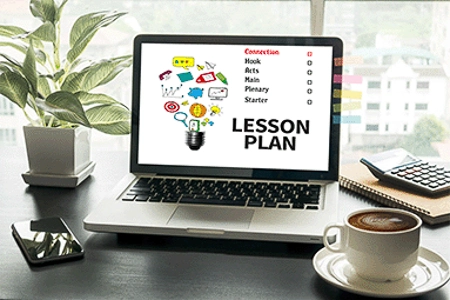
Joining the CHAMPS means understanding one of the most effective teaching strategies teachers use for planning effective lessons. The CHAMPS acronym stands for "Connection, Hook, Acts, Main, Plenary, Starter". This method helps create engaging learning experiences, driving student success and fostering an interactive learning environment.
You may already be familiar with how teachers "hook" concepts in lessons or structure learning into different parts such as Acts, Main, Plenary and Starter. This piece focuses on Connections—what they are, how teachers use them, and what this means for your child's learning.
Why Planning and Preparation Matter
Planning and preparing lessons are an important part of teaching, even if much of it happens behind the scenes. The more effort and thought teachers put into planning and preparation, the smoother and richer the delivery tends to be.
A key first step in lesson planning is establishing a connection between teaching objectives and a range of meaningful reference points. A connection helps establish the value of what is being taught, creating an engaging pathway for student learning.
For parents, this often explains why some lessons feel more engaging or memorable for children—there is usually a clear sense of purpose behind them.
What Does "Connection" Mean in a Lesson?
When teachers plan, they aim for a measurable outcome to track learning. Lessons are designed so students can demonstrate their understanding through action verbs such as "model", "analyse", or "explain".
Knowing what this looks like in practice helps shape the lesson. For instance, if students need to "model", teachers may provide examples involving drawing or reviewing models. If they need to analyse, teachers will often explain what that means and provide samples to work towards.
You might notice this at home when your child talks about what they are expected to do, rather than just what they are expected to know.
Why Do Teachers Focus on Connections?
The process of planning often starts with making a connection between what is being taught and a range of relevant points. A connection is a tangible link that reinforces why and how the content has value. It creates a pathway that requires engagement and includes checkpoints to monitor understanding.
This is one reason why some lessons feel more relatable—teachers are intentionally trying to link content to something meaningful for students.
Connecting with the Output
Teachers often focus on a measurable output to define and track learning. Lessons are linked to students demonstrating a specific skill or verb related to understanding.
To support this, teachers ensure they understand what success looks like and then plan opportunities for students to apply that skill.
For example:
- If students are required to "model", they may be asked to draw or review models.
- If they are required to analyse, teachers will explain and provide examples to guide them.
Parents may notice this in homework or class tasks that clearly ask children to perform a specific type of thinking or action.
Connecting Using the Syllabus
Teachers work within guidelines such as syllabus outcomes, exam requirements, or selected criteria. Effective lessons connect directly to these outcomes so that learning remains purposeful.
An example of this in practice is when the focus of a lesson is repeated throughout slides or worksheets. Teachers may refer back to it regularly or even ask students to annotate it as they go.
At home, this might appear as repeated learning goals or clear links between lessons and assessments.
Connecting with the Cohort
Teachers also aim to connect lessons with the specific group of students they are teaching. This helps tailor learning so it feels more relevant and meaningful.
This often requires teachers to understand their students well. They may gather feedback, explore interests, or adjust examples to better suit the group.
For instance, a lesson might become more engaging if it links to something a student is passionate about. You might notice your child responding more positively when learning connects to their own interests or experiences.
Connecting with the Community
Teachers sometimes design lessons that reflect events, celebrations, or themes within the wider community. This helps students see how learning connects beyond the classroom.
Some teachers even learn phrases or references relevant to the communities they teach in, strengthening that connection further.
This is why certain topics or activities may feel particularly relevant depending on what is happening locally or culturally.
Connecting with Themselves
One of the most effective strategies teachers use is bringing their authentic self into their teaching. When teachers are genuinely interested or passionate about a topic, this often comes through in the way lessons are delivered.
They may share why a topic matters to them, how it connects to their own experiences, or why they value it. This can make lessons feel more engaging and personal for students.
Parents may notice that children often respond strongly to teachers who show enthusiasm or personal connection to what they are teaching.
When Connections Are Hard to Find
Sometimes, even teachers find it difficult to connect with certain topics. In these cases, they may acknowledge this and explore ways to build a connection, sometimes involving students in the process.
They might invite ideas, draw on others' interests, or use external resources to make the content more engaging.
This can help explain why some lessons feel more dynamic than others—teachers are continually adapting and refining how they make learning meaningful.
What This Means for Parents
Understanding how teachers use connections can offer valuable insight into your child's learning experience. It highlights why:
- some lessons resonate more than others
- learning is often structured around actions and outcomes
- teachers adapt content to suit different groups and contexts
By recognising these approaches, parents are better placed to understand, support, and engage in conversations about learning—both at home and with the school.
Frequently Asked Questions
What does CHAMPS stand for?
CHAMPS stands for Connection, Hook, Acts, Main, Plenary, and Starter. It is a lesson planning framework teachers use to structure engaging and purposeful learning experiences. This article focuses specifically on the Connection element — how teachers link lesson content to meaningful reference points to make learning relevant for students.
Why do some lessons engage my child more than others?
The article explains that lessons feel more engaging when teachers have built strong connections — linking content to student interests, community events, or the teacher's own enthusiasm. When those connections are weak or absent, lessons can feel less relevant. Knowing this helps parents have more informed conversations with their child about what made a lesson stand out.
How can understanding lesson planning help me support my child at home?
When parents understand that lessons are structured around specific actions — modelling, analysing, explaining — they can mirror that language at home. Rather than asking "what did you learn today?", asking "what were you asked to do?" or "what does your teacher want you to be able to show?" opens up more useful conversations about learning.