Join the CHAMPS at Home: Questions That Follow the Lesson
One question a day, taken from one part of a lesson, helps your child take learning home.
Ask a child how school went and you will often hear “fine”. Ask about one part of one lesson, and you will usually hear more.
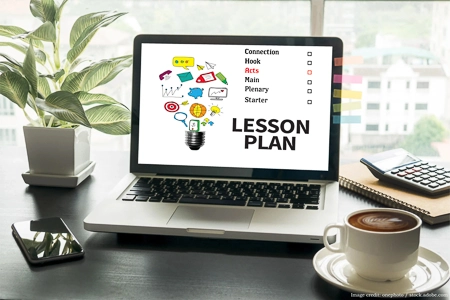
Most lessons follow the same shape. Teachers plan a starter, a main part and a plenary, and look for a hook and a connection to what came before.
One planning model calls these parts CHAMPS: Connection, Hook, Acts, Main, Plenary, Starter. Each part gives you a question to ask at home.
The questions, part by part
Starter: “How did the lesson begin?” Starters are short tasks that settle the class. Recalling one takes your child back into the lesson.
Hook: “What made you curious today?” A hook is the question, picture or puzzle the teacher used to draw the class in.
Main: “What was the main thing you worked on? Can you show me?” This is where most of the learning happens, and the work is often in their book.
Plenary: “If a friend missed the lesson, what would you tell them?” The plenary is where the class sums up what they learnt, so your child has practised this answer once already.
Connection: “What does it link to that you already knew?” Teachers connect new ideas to earlier ones. When your child finds the link, the new idea has a place to sit.
Acts: “Which part of the lesson was hardest?” Lessons run in parts, and knowing which part was hardest tells you where help is needed.
One lesson, one question
Pick one lesson a day and ask one question from the list. Let your child answer in full before you ask anything else.
Listen more than you talk. If they cannot remember, let it go: the next lesson brings another chance.
Over the weeks, move through the questions so your child gets used to looking back at every part of a lesson.
If one question keeps meeting a blank in one subject, mention it to the teacher. It tells them which part of their lessons is not reaching your child.
Your child gets into the habit of going over what they learnt and explaining it in their own words. That is how a lesson stays with them after the bell.
Signs your child is taking the lesson home
It is working when your child answers with what the lesson was about, beyond “fine” or “nothing”.
After a while, they tell you about a lesson before you ask, and use the words their teacher used.
If the answers stay short, ask about the part they enjoyed most, or ask to see their book, and keep the question for another day.
CleverPATHS